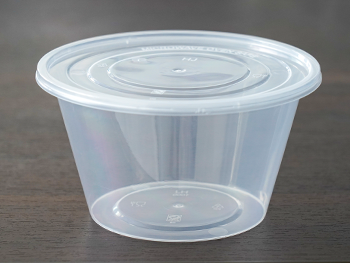
The clear thickened disposable plastic 1000 round container has become one of the most trusted packaging solutions across food service, catering, retail, hospitality, and light industrial sectors. Whether it is described as a 1000ml disposable container, a transparent thickened plastic round tub, a clear takeaway tub, or a 1000g plastic round container, this product delivers a dependable combination of strength, visibility, hygiene, and value. This guide explains everything about the clear thickened disposable plastic 1000 round container — its definition, key specifications, materials, manufacturing, advantages, applications, food-safety standards, selection criteria, and cost considerations.
What Is a Clear Thickened Disposable Plastic 1000 Round Container?
A clear thickened disposable plastic 1000 round container is a single-use package made from transparent, food-grade plastic, built with walls noticeably thicker than standard thin disposable cups, bowls, or tubs, and formed in a round profile with a nominal capacity of approximately 1000 milliliters (1 liter). The number "1000" in the product name almost always indicates nominal capacity, measured in milliliters (ml) or, in some regional markets, grams (g) based on the typical weight of contents the container can hold.
The word "thickened" is the defining feature that separates this product from ordinary thin plastic containers. Thickened walls and a reinforced rim deliver greater rigidity, better stackability, higher puncture resistance, and stronger protection for the contents. The word "clear" refers to the high-transparency polymer used in production, which lets customers see the product inside without opening the lid — a feature highly valuable for retail display, fast quality inspection, and customer confidence.
These containers are disposable by design, meaning they are intended for single or limited use before being recycled or discarded. This makes them a hygienic, labor-saving alternative to reusable containers in high-volume operations such as restaurants, food courts, catering companies, hotels, cafeterias, and supermarkets. Single-use construction eliminates washing cycles, sanitizing stations, and returnable-packaging logistics, streamlining daily workflows for large-scale food packaging and handling.
Common Names and Terminology
Because the clear thickened disposable plastic 1000 round container is used across many industries and regions, it is sold and searched under several names. Recognizing these synonyms helps with product research, procurement, and SEO targeting. Common terms include:
Clear thickened disposable plastic 1000 round container
1000ml disposable clear container
1000g thickened plastic round tub
Transparent disposable round tub 1000
Clear takeaway tub with lid
1L clear plastic container
Food-grade transparent round tub 1000
Thickened plastic round container 1000ml
Disposable clear packaging container
Heavy-duty clear plastic round tub single-use
Regardless of the name used, the core product attributes stay the same: clear transparency, a thickened body, round geometry, single-use design, and a capacity of about 1 liter. Buyers across global markets frequently search these variant terms when sourcing bulk packaging for foods, deli goods, sauces, and craft materials, so aligning product descriptions with these phrases helps match real user search intent.
Key Specifications of the 1000 Round Container
The clear thickened disposable plastic 1000 round container is produced to common dimensional and performance specifications. Exact figures vary slightly between manufacturers, but the following ranges represent typical industry-standard values.
Capacity and Dimensions
Nominal capacity: approximately 1000 ml (1 liter), with a usable fill volume slightly lower to leave headspace for the lid and prevent spillage.
Diameter: typically between 120 and 145 millimeters at the top opening.
Height: typically between 90 and 125 millimeters, depending on the taper angle of the container walls.
Top opening vs. base: most containers feature a slightly tapered or conical shape, with a wider top opening and a narrower base for easy nesting, de-molding, and stable filling.
Wall thickness: thickened models generally use a wall thickness of approximately 0.5 to 1.0 millimeters, compared to the 0.2 to 0.4 millimeters common in standard thin containers.
Weight
The weight of a 1000ml clear thickened disposable container typically ranges from 16 to 38 grams depending on the exact wall thickness, rim design, and resin grade. Heavier containers indicate more material and generally offer higher rigidity and load-bearing capacity. The reinforced rim adds extra material at the opening, the most common stress point during sealing, stacking, and handling.
Lid Compatibility
Most clear thickened disposable plastic 1000 round containers are designed to be paired with a matching lid, usually available in clear or white variants. The lid may be a flat snap-on lid, a vented lid for hot contents, or a rimmed lid that creates a leak-resistant seal. For many applications, the container and lid are sold as a set. Vented lids release internal steam pressure when packing warm food, preventing lid buckling or container deformation after sealing. Tamper-evident lid variants add an extra layer of protection for retail packaged goods.
Temperature Range
Standard food-grade polypropylene containers typically perform well across a temperature range of approximately -20°C to 100°C, making them suitable for cold storage, chilled foods, and warm or mildly heated contents. Containers made from PET or other polymers may have different temperature tolerances. PET containers perform best at ambient or refrigerated temperatures and can warp quickly under high heat, so users must match material choice to their product temperature profile.
Closure and Sealing
A well-designed lid creates a friction-fit or snap-fit closure that keeps contents secure during transport, reduces spillage, and helps preserve freshness. Some models feature a tamper-evident ring or a tear-tab lid for additional security and hygiene assurance. A complete seal stops liquid leakage during delivery and stops air from entering the container, extending shelf life for sauces, marinades, and wet food products.
Materials and Manufacturing Process
The performance of a clear thickened disposable plastic 1000 round container depends heavily on the polymer used and the manufacturing method.
Common Plastics
Polypropylene (PP): The most popular material for thickened disposable containers. PP offers excellent clarity, good impact resistance, a relatively high melting point, and strong chemical resistance. It is widely used for food containers because it does not leach harmful substances under normal use and is microwave-safe in many cases. PP resists cracking under low-temperature freezer conditions and stands up well to oily and acidic food substances, making it the top choice for catering and deli packaging.
Polyethylene Terephthalate (PET): Known for exceptional transparency and a glossy appearance. PET containers are very clear and rigid, though they generally have a lower heat tolerance than PP and are more commonly used for cold or ambient-temperature products. PET delivers premium crystal clarity for retail display, where visual presentation is the main selling point for snacks, pickles, and preserved foods.
Polystyrene (PS): Offers high clarity and stiffness but is more brittle and has lower impact resistance, making it less common for thickened, heavy-duty containers. PS can crack easily under stacking pressure or sudden impact, so it is rarely selected for bulk packaging that requires shipping and long-distance transport.
High-Density Polyethylene (HDPE): More opaque than PP but extremely tough and chemical-resistant, sometimes used when extra durability is needed. HDPE is rarely used for clear container variants because of its natural milky opacity, though it can be found in non-transparent heavy-duty tub products within the same packaging category.
Manufacturing Methods
The clear thickened disposable plastic 1000 round container is typically produced using injection molding or thermoforming:
Injection molding: Molten plastic is injected into a metal mold under high pressure. This method allows precise control of wall thickness, sharp details, and a consistent, uniform body. It is the preferred method for thickened, heavy-duty containers. Injection molding delivers uniform wall thickness across the entire container body, including the rim and base, which is critical for reliable stacking and impact resistance.
Thermoforming: A plastic sheet is heated and formed over a mold using vacuum or pressure. Thermoformed containers are generally thinner and lighter than injection-molded ones. Thermoforming works well for ultra-light disposable containers, but it struggles to maintain consistent thickened walls and reinforced rims, which is why injection molding is the dominant process for thick-walled 1000 containers because it produces the strength and rigidity that "thickened" implies.
Key Advantages of the Clear Thickened Disposable Plastic 1000 Round Container
The popularity of the clear thickened disposable plastic 1000 round container is driven by a long list of practical benefits.
High Transparency and Product Visibility
The clear body lets customers and staff see the contents at a glance without opening the container. This is a major advantage for retail display, where visual appeal drives sales, and for quality control, where fast visual inspection speeds up packaging lines and reduces waste. Shoppers can assess the color, texture, and quantity of food or goods directly through the container, which boosts buyer confidence and reduces product returns.
Superior Strength and Durability
The thickened wall construction gives the container much greater rigidity and crush resistance than thin disposable containers. It can withstand stacking, transport, and handling without cracking, buckling, or deforming, which protects both the container and its contents. In warehousing and delivery chains, stacked filled containers bear weight from layers above, and thickened walls prevent collapse that would spoil packaged goods.
Leak Resistance and Spill Protection
When paired with a properly fitted lid, the 1000 round container provides effective protection against leaks and spills. This is essential for transporting liquids, sauces, soups, marinades, and semi-liquid foods. Food delivery and bulk ingredient transport rely heavily on this feature to reduce product loss and messy handling during shipping.
Hygienic and Single-Use Safety
Because the container is disposable, there is no risk of cross-contamination from improper cleaning. Each use starts with a fresh, clean, food-grade container, which is a major advantage in food service, healthcare, and hygiene-sensitive environments. Busy commercial kitchens avoid the risks of leftover grease, bacteria, or detergent residue found on reusable containers.
Lightweight and Easy to Handle
Despite its thickened walls, the plastic container is lightweight compared to glass, metal, or ceramic alternatives. This reduces shipping costs, makes handling easier for staff, and lowers the risk of injury from heavy or breakable containers. Unlike glass, plastic containers do not shatter upon dropping, eliminating broken-glass hazards in kitchens, retail spaces, and warehouses.
Space-Efficient Stacking
The tapered, nestable design allows empty containers to be stacked inside one another, saving significant storage space before use. Filled containers also stack securely on top of each other, improving warehouse and display efficiency. Empty nested containers occupy only a small fraction of the space required for the same number of rigid non-nestable containers, cutting storage expenses for packaging inventory.
Cost-Effective Packaging
Plastic containers are inexpensive to manufacture at scale and are generally far more affordable than glass jars, metal pails, or paper-based alternatives of equivalent capacity and durability. This makes them an economical choice for high-volume operations. Bulk procurement further reduces per-unit expenses for restaurants, food processors, and retail deli departments.
Broad Compatibility
The 1000ml clear container works with hot, cold, and ambient-temperature contents and is compatible with a wide range of lids, labels, and printing options, giving brands flexibility in packaging design. Suppliers can apply adhesive labels, direct surface printing, or shrink-wrap branding to the smooth clear exterior for custom branding.
Recyclable and Resource-Efficient
Most clear plastic containers are recyclable, and their transparency makes them easier to sort in recycling streams. Lightweight plastic also reduces the carbon footprint of transport compared to heavier packaging materials. Recyclable packaging options help businesses meet sustainability targets and satisfy customer demand for more responsible packaging choices.
Common Applications and Use Cases
The clear thickened disposable plastic 1000 round container is used across dozens of industries. Its combination of capacity, clarity, and strength makes it suitable for the following scenarios.
Food Service and Catering
Takeaway and delivery containers for soups, stews, curries, braised dishes, salads, and sides.
Bulk serving containers in buffets, cafeterias, and food courts.
Pre-portioned ingredients and prep containers in commercial kitchens.
Hot and cold beverage and condiment storage. Catering operators use these containers to prepare large batches of food ahead of events, then seal and transport meals safely to off-site venues.
Retail and Grocery
Display and sale of pickles, olives, sauces, preserves, nuts, snacks, and deli items.
Fresh produce and bakery packaging where visible contents drive purchasing decisions.
Refill and bulk-bin packaging in zero-waste and specialty stores. Retail stores place these containers directly on shelf displays, letting customers view the food product clearly to encourage impulse purchases.
Food Manufacturing and Processing
Packing marinades, dressings, sauces, jams, and semi-processed foods.
Transporting ingredients between processing stages.
Final consumer packaging for processed food products. Food factories use these containers for intermediate storage of raw materials as well as finished consumer goods ready for distribution to retail markets.
Household and Commercial Storage
Organizing and storing dry goods, cleaning supplies, and small hardware.
Mixing and containing paint, adhesives, and DIY materials.
Temporary storage for leftovers, crafts, and workshop materials. Home users and small businesses often purchase these containers for multi-purpose storage beyond food packaging.
Industrial and Agricultural Uses
Holding, mixing, and transporting chemicals, lubricants, and compounds.
Containing seeds, feed, and agricultural inputs.
Sampling, shipping, and temporary storage in labs and workshops. Industrial users select the clear thickened disposable plastic 1000 round container for visual inspection of liquid samples, where seeing the material inside without opening the container saves time during quality checks.
Understanding the "1000" Capacity
The "1000" in clear thickened disposable plastic 1000 round container refers to the nominal capacity of the container. In most markets this means 1000 milliliters (1 liter). In some regions, particularly where products are sold by weight, the number may instead refer to the approximate gram capacity, usually around 1000 grams (1 kilogram) of a typical product such as rice, grain, or marinated food.
It is important to distinguish between brim-full capacity and usable capacity:
Brim-full capacity is the maximum volume the container can hold when filled to the very top edge.
Usable capacity is the practical fill volume that leaves enough headspace for the lid to close securely and for the contents to expand or shift during transport.
For most 1000 containers, the usable capacity is roughly 5 to 10 percent lower than the brim-full capacity. Buyers should always verify whether a given product is rated by brim-full or usable volume and match the rating to their actual filling needs. Overfilling will prevent proper lid sealing and cause leaks when products are stacked or shipped.
Food-Grade Safety and Compliance
Because these containers are widely used to store and serve food, food-grade safety is a critical consideration. A compliant clear thickened disposable plastic 1000 round container should meet the relevant regulations for food-contact materials in its target market.
Key Considerations
Food-grade resin: The plastic must be manufactured from food-safe polymers that do not migrate harmful substances into food under normal conditions of use.
Regulatory compliance: In the United States, food-contact plastics should comply with the U.S. Food and Drug Administration (FDA) regulations for food-contact substances. In the European Union, compliance with EU Regulation 10/2011 on plastic materials and articles intended to come into contact with food is typically required. Other markets have their own national standards.
Heavy-metal and additive limits: Food-grade plastics must not contain restricted levels of heavy metals such as lead, cadmium, or mercury, and must use approved additives and colorants.
Temperature safety: The container should be rated for the temperatures it will actually encounter, whether that is hot soup, chilled dessert, or frozen storage.
Labeling and certification: Look for markings such as the recycling symbol with a "5" (PP) or "1" (PET) code, and any applicable food-contact certifications or test reports from the manufacturer.
Buyers and brand owners should request material test reports and compliance documentation from suppliers to confirm food-grade suitability before use. Non-food-grade plastic variants exist for industrial applications and must never be used to package edible products.
How to Choose the Right 1000 Clear Container
Selecting the best clear thickened disposable plastic 1000 round container for a specific application involves evaluating several factors.
Capacity and Fill Level
Confirm the exact capacity you need. A 1000ml container suits portion sizes, retail quantities, and bulk packaging. Always account for headspace and check whether the rating is brim-full or usable. If your product expands when frozen or heated, extra headspace is required to avoid container deformation.
Wall Thickness and Rigidity
Choose a thicker wall for heavy, wet, or fragile contents that need extra protection, or when containers will be stacked multiple layers high. Choose a lighter wall when cost and weight are the primary concerns and contents are light and dry. Heavier wall thickness increases the unit price, so balance performance requirements against packaging budget.
Material
Select polypropylene for heat resistance and durability, PET for maximum clarity and rigidity at cold or ambient temperatures, or a specialist polymer for unusual chemical or temperature demands. For acidic sauces or oily food products, PP is generally the safer long-term choice.
Lid Design
Decide whether you need a standard snap lid, a vented lid for hot contents, or a tamper-evident lid for added security. Confirm that the lid is available in the same size and fits the container rim correctly. Poor rim-to-lid matching is one of the top causes of leakage during product distribution.
Temperature Requirements
Match the container's temperature rating to your contents. If you will freeze, microwave, or steam the contents, choose a material rated for those conditions. Never use PET containers for hot food packaging, as heat can distort the container structure and compromise safety.
Printing and Labeling Needs
If you plan to brand the container, check whether the surface accepts printing, labeling, or shrink sleeves, and whether the clear body suits your design goals. Smooth transparent surfaces work well for adhesive labels, while surface printing offers permanent branding directly on the container wall.
Volume and Supply Reliability
Estimate your monthly usage and confirm that your supplier can maintain consistent quality, sizing, and availability over time. For continuous production lines, consistent dimensional tolerance is essential to avoid issues with automated filling and capping machinery.
Storage, Handling, and Usage Best Practices
To get the best performance from clear thickened disposable plastic 1000 round containers, follow these practical guidelines.
Store flat and dry: Keep containers and lids in a clean, dry, temperature-controlled environment away from direct sunlight and extreme heat to prevent warping, yellowing, or embrittlement. UV rays from sunlight break down plastic polymers over time, reducing container strength and transparency.
Avoid excessive stacking loads: While thickened containers are strong, do not exceed the manufacturer's recommended stacking height to prevent crushing the lowest containers. Warehouse storage racks should be loaded according to weight limits for filled containers.
Check the lid seal: Press the lid down evenly around the entire rim to create a proper seal before transporting liquids. Partial sealing often leads to slow leaks that only appear after products are moved or stacked.
Mind temperature limits: Do not expose the container to temperatures above its rated maximum or subject it to rapid, extreme temperature changes. Sudden thermal shock can create internal stress cracks in the plastic wall.
Leave headspace: Do not overfill; leave room for the lid and for expansion of hot or frozen contents. Frozen liquids expand and can crack the container wall if there is no empty space inside.
Use compatible contents: Ensure the material is compatible with any food, chemical, or liquid you place inside, especially acidic, oily, or solvent-based materials. Some strong chemicals can react with plastic and degrade the container wall, leading to leakage or contamination.
Cost Considerations and Value
The clear thickened disposable plastic 1000 round container offers strong value when the full cost picture is considered.
Per-unit price: Thickened containers cost slightly more than thin containers because they use more material, but the added durability reduces breakage, spoilage, and replacement costs. Broken containers and wasted packaged goods add hidden costs that many buyers overlook when comparing cheap thin packaging options.
Shipping costs: Lightweight plastic keeps freight costs lower than glass or metal alternatives of the same capacity. The low weight of empty containers reduces inbound shipping expenses when receiving packaging stock from suppliers.
Labor savings: Disposable containers eliminate washing, sanitizing, and return-handling labor. Commercial kitchens save hours of staff time each day by removing the need to clean heavy reusable containers.
Product loss reduction: Thickened walls and secure lids reduce damage, leakage, and contamination, protecting the value of the contents inside. Less product spoilage directly improves profit margins for food processors and retailers.
Bulk purchasing: Volume discounts and case pricing make large orders significantly more economical per unit. When comparing prices, buyers should compare like-for-like specifications — same capacity, wall thickness, material, and lid type — rather than comparing on price alone. A cheaper container with thinner walls often ends up costing more overall due to higher damage rates.
Clear Plastic Containers vs. Alternative Packaging
The 1000 round plastic container competes with several alternative packaging formats. Understanding the trade-offs helps buyers make informed decisions.
Plastic Container vs. Glass Jar
Glass offers premium appearance and excellent barrier properties but is heavy, fragile, more expensive to ship, and more costly per unit. The clear plastic container is lighter, unbreakable, cheaper, and easier to handle, making it the preferred choice for most high-volume food-service and retail applications. Glass remains suitable for luxury low-volume products, but plastic containers dominate bulk and takeaway packaging markets.
Plastic Container vs. Paper or Cardboard
Paper containers are lightweight and biodegradable but offer poor visibility, weak moisture resistance, and low strength for heavy or wet contents. A thickened plastic container provides superior clarity, leak resistance, and structural integrity. Paper packaging quickly absorbs moisture and loses shape when holding soups, sauces, or wet deli foods.
Thickened Container vs. Thin Disposable Container
Thin containers are cheaper and lighter but deform, crack, and leak more easily. The thickened container costs slightly more but delivers significantly better durability, stackability, and protection, often resulting in lower overall cost once product loss and waste are factored in. Thin plastic containers work best for lightweight dry goods with minimal shipping requirements.
Plastic Container vs. Reusable Container
Reusable containers save material over time but require washing, sanitizing, storage, and return logistics, and carry a higher risk of cross-contamination. The disposable container eliminates these burdens in exchange for ongoing material consumption. Operations with high hygiene standards or rapid turnover of packaged goods tend to favor single-use container packaging.
Environmental and Sustainability Considerations
As sustainability becomes a priority across the packaging industry, it is important to understand the environmental profile of the clear thickened disposable plastic 1000 round container.
Recyclability: Most clear containers made from PP or PET are recyclable. Their transparency makes them relatively easy to identify and sort in recycling facilities. Proper cleaning before recycling improves the chance that plastic will be recovered and reprocessed into new raw materials.
Material efficiency: Modern containers are engineered to use the minimum material needed to achieve the required strength, reducing resin consumption and waste. Packaging manufacturers continuously optimize mold designs to maintain wall strength while cutting excess plastic use.
Lightweight transport: The low weight of plastic reduces fuel consumption and carbon emissions during shipping compared to heavier packaging. This transportation benefit is a key environmental advantage over glass and metal packaging.
Responsible disposal: Users should follow local recycling guidance, clean and empty containers where required, and dispose of them through appropriate channels. Waste management rules differ by region, so businesses must learn local recycling rules for plastic packaging waste.
Thickened-wall trade-off: Thickened walls use more material per unit than thin containers. Buyers should choose the minimum thickness that meets their performance needs to balance durability with material efficiency. Selecting an over-specified heavy container when a lighter thickened version is sufficient creates unnecessary plastic waste.
Emerging materials: The industry is increasingly exploring recycled-content resins and bio-based polymers, which may offer additional sustainability options in the future. New formulations with post-consumer recycled plastic are being developed for food-contact applications, giving buyers greener choices as technology advances.
Frequently Asked Questions (FAQ)
What does "1000" mean in a 1000 round container? It refers to the nominal capacity — approximately 1000 milliliters (1 liter) of content, or in some markets, roughly 1000 grams by weight.
Are clear thickened disposable plastic containers food-safe? Only if they are manufactured from food-grade resin and comply with the relevant food-contact regulations of the target market, such as FDA or EU food-contact standards. Always verify compliance documentation.
Can the containers be used for hot food? Polypropylene containers are generally suitable for warm to mildly hot contents, but you should check the material's rated temperature range and avoid exceeding it.
Are the containers reusable? They are designed as disposable, single-use containers. While some users reuse them for storage, repeated use is not recommended for food after heavy use.
Can the containers be recycled? Most clear plastic containers are recyclable, provided they are empty, clean, and processed through appropriate recycling channels.
Do the containers come with lids? Many are sold with matching lids, often in clear or white. Confirm lid availability and fit when ordering.
How should I choose between 1000ml and other sizes? Choose a size that comfortably fits your portion or package size while leaving appropriate headspace. If 1000ml is too large or too small, consider the nearest standard size above or below.
Conclusion
The clear thickened disposable plastic 1000 round container is a dependable, versatile, and cost-effective packaging solution used across food service, retail, catering, manufacturing, and industry. Its combination of high transparency, thickened walls, leak-resistant design, food-grade safety, and economical pricing makes it an excellent choice for businesses that need a strong, visible, and hygienic 1-liter container.
By understanding the product's definition, specifications, materials, advantages, applications, safety standards, and selection criteria, buyers can choose the right 1000ml clear disposable container for their needs and use it effectively and responsibly. Whether you are packing takeaway soup, displaying retail deli products, or storing bulk ingredients, the clear thickened disposable plastic 1000 round container delivers the performance, clarity, and value that modern packaging demands. Demand for this product continues to grow globally as businesses search for reliable, affordable transparent single-use packaging that balances strength, visual appeal, and practical usability for countless packaging tasks.


 Español
 Pусский
 العربية
 Tiếng Việt

 WhatsApp
 Phone
 E-mail
 Message