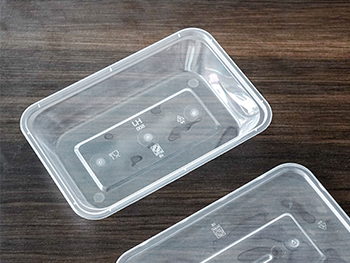
A clear thickened disposable plastic 650 rectangular container is a single-use food packaging box designed to hold approximately 650 milliliters of food, built with a reinforced, thickened wall structure for extra rigidity and durability. It combines three defining traits in one product: clear (highly transparent so contents are visible), thickened (a stronger wall gauge that resists bending and cracking), and disposable (intended for one-time use in takeaway, catering, and food-service settings).
The "650" in the name refers to the container's nominal liquid capacity, 650 milliliters (ml), a mid-range portion size that sits between small side-dish boxes and large family-style trays. The rectangular footprint is the shape most widely used in commercial kitchens because it packs efficiently, stacks neatly, and fits standard refrigeration and delivery racks.
For restaurants, ghost kitchens, meal-prep brands, caterers, and food vendors, this container has become a workhorse of the disposable packaging category. It delivers the visual appeal of seeing the food, the structural confidence of a sturdy box, and the convenience of no-return, no-cleaning takeaway packaging. This guide is a general industry reference covering definitions, materials, specifications, advantages, applications, selection criteria, and safety considerations. It contains no brand endorsements; it is intended for use in blogs, category pages, and industry content that must rank well in search engines while remaining useful to readers.
Understanding the Terminology
Before exploring the container in depth, it helps to define the core terms that describe it.
Clear / Transparent. The container is molded from a material with high light transmittance, typically in the range of 85 to 90 percent for polypropylene. This "see-through" quality lets customers and staff confirm food type, portion size, color, and freshness without opening the lid. Transparency is one of the strongest selling points for takeout because it builds trust and makes food look appetizing.
Thickened. The wall and base of the container are formed with a heavier material gauge than standard thin-wall boxes. A thickened container resists flexing, bowing, and cracking when loaded with heavy or hot food. It provides a more stable, premium feel and reduces the risk of leaks caused by warped or deformed panels.
Disposable. The container is designed for one-time use. It is not intended to be washed and reused in the same way as durable Tupperware-style storage. Disposability lowers labor costs, eliminates dishwashing, and reduces cross-contamination risk in high-volume food operations.
650 Rectangular. This denotes a rectangular container with a nominal capacity of 650 milliliters. The rectangle is longer than it is wide, which suits entrees, noodles, rice bowls, salads, sandwiches, baked goods, and multi-item meal trays. It also optimizes shelf and refrigerator space because rectangles tessellate without wasted gaps.
Material Options and Properties
The most common material for a clear thickened disposable plastic 650 rectangular container is food-grade polypropylene (PP), identified by the recycling code 5. Polyethylene terephthalate (PET), code 1, is also used in some clear containers. Understanding the difference helps buyers match the container to the food and use case.
Polypropylene (PP)
PP is the industry standard for microwave-safe, hot-food disposable containers.
Heat resistance. PP can generally withstand temperatures from roughly -20°C up to around 120°C, making it suitable for hot meals, soups, and microwave reheating.
Polyethylene Terephthalate (PET)
PET is valued for exceptional clarity and a glass-like look.
Brilliant transparency. PET offers some of the best optical clarity among food plastics, ideal for premium deli, salad, and bakery displays.
Because the term "clear thickened" emphasizes both visibility and strength, most thickened 650 rectangular containers are made from PP, which balances clarity with the durability needed for hot, heavy, or oily meals.
Key Specifications and Dimensions
While exact numbers vary by manufacturer and mold, the following are representative industry specifications for a clear thickened disposable plastic 650 rectangular container. These figures are for general reference and should always be confirmed against the specific product data sheet you are sourcing.
The Advantages of a Clear Thickened 650 Rectangular Container
This container type earns its place in food-service operations through a combination of practical and commercial advantages.
High Product Visibility Builds Trust and Sales
Transparency is the single most powerful benefit of clear packaging. Customers can see exactly what they are buying before the container is opened. This "what you see is what you get" experience reduces hesitation, reinforces food safety, and increases the likelihood of purchase. For delis, bakeries, salad bars, and meal-prep services, clear containers let the product sell itself. Transparent packaging has repeatedly been shown to boost impulse purchasing compared with opaque boxes because the food itself becomes the primary visual marketing.
Thickened Walls Deliver Structural Strength
A thickened container resists the deformation that thin-wall boxes suffer when filled with heavy, hot, or moist food. Stronger side walls and a reinforced base mean the box keeps its shape during handling, transport, and stacking. This structural integrity reduces two common takeout failures: leaking through cracks and lids that pop open under pressure. The sturdy feel also conveys a premium impression that reflects well on the food inside.
Leak-Resistant Sealing
Most thickened 650 rectangular containers come with a purpose-designed lid that snaps firmly onto a sealing ridge around the rim. A proper seal keeps liquids like sauces, soups, and marinades inside the box and out of delivery bags. Some lids include small vent holes that release steam during microwave reheating, preventing pressure buildup and messy splatter. Leak resistance is a decisive factor for delivery operations where a leaking container can ruin the meal and the customer relationship.
Microwave and Freezer Compatibility
Food-grade PP thickened containers are generally safe for both microwave reheating and freezer storage within their rated temperature range. This dual capability is essential for meal-prep and ready-meal businesses, where products move from cold storage to reheating without being transferred to another dish. Vented lids make in-box reheating convenient and safe.
Efficient Space Utilization
The rectangular shape packs more efficiently than round containers. Rectangular boxes align flush against one another in delivery bags, refrigerator shelves, and transport crates, minimizing wasted space and maximizing the number of meals carried per trip. Nesting empty containers and lids also reduces storage footprint in the back of house.
Food Safety and Hygiene
Because the container is disposable, each meal starts with a clean, uncontaminated package. There is no risk of residual detergent, cross-contamination from previous contents, or chipped and scratched surfaces that can harbor bacteria. This supports consistent hygiene standards, which is especially valuable in high-volume kitchens and for compliance with food-safety regulations.
Labor and Cost Efficiency
Disposable containers eliminate the need to wash, dry, sanitize, and restock reusable packaging. In busy kitchens, this saves labor hours and water costs. While the per-unit price of a disposable container is higher than the amortized cost of reusable packaging over many washes, the total cost of ownership is often competitive once cleaning labor, utilities, breakage, and return logistics are considered.
Brand Presentation
Clear containers showcase food quality at the moment of handoff. For operators who print branded sleeves, labels, or stickers on the lid, the transparent body still lets the food stand out while the closure carries the brand. This combination of visibility and branding supports a strong, appetizing brand experience.
Common Applications and Use Cases
The clear thickened disposable plastic 650 rectangular container is versatile enough for a wide range of food-service scenarios.
Takeaway and Delivery Meals
Restaurants, ghost kitchens, and delivery-only brands use 650 rectangular containers as a standard entrée package. The size suits single or double servings of rice, noodles, curries, stir-fries, grilled proteins, and vegetable sides. The sturdy construction and leak-resistant lid protect the meal across the delivery journey.
Meal Prep and Meal Kits
Meal-prep services package pre-portioned weekly meals in these containers. The 650 ml size holds a balanced single portion of protein, carbohydrate, and vegetables. Microwave and freezer compatibility lets customers reheat directly in the container, simplifying the daily routine.
Catering and Buffet Service
Caterers use clear rectangular containers to portion food for events, office lunches, and boxed catering orders. The transparency helps staff and guests identify dishes at a glance, while the stackable design keeps large orders organized.
Retail and Deli Counter
Supermarkets, delis, and salad bars package ready-to-eat items such as salads, fresh fruit, sandwiches, pastries, and desserts in clear containers. Customers can inspect the product before purchase, which increases confidence and reduces perceived risk.
Bakery and Confectionery
Bakers use clear rectangular containers to display and protect cakes, cookies, pastries, and confections. The clarity preserves the visual appeal of decorated goods while the rigid walls prevent crushing during transit.
Food Trucks and Pop-Up Stalls
Mobile food vendors favor disposable containers that are lightweight, stackable, and easy to store in limited space. The 650 rectangular container gives them a reliable, presentable package for a range of menu items.
How to Choose the Right 650 Rectangular Container
Selecting the correct container depends on matching the product to the food, the service model, and operational constraints.
Match the Material to the Food Temperature
For cold items, chilled salads, and delicate bakery goods, either PP or PET may be suitable; PET offers the clearest appearance but lower heat tolerance.
Confirm the Capacity Suits the Portion
The 650 ml rating is a guide. Dense foods may overflow a container rated by liquid volume, while light, fluffy items may occupy more space than the nominal capacity suggests. Test the container with your actual portion sizes before committing to large orders.
Check the Lid Seal
Verify that the lid snaps on firmly and creates a reliable seal around the rim. If the menu includes saucy or liquid dishes, prioritize leak-resistant designs. If microwave reheating is common, look for vented lids.
Verify Compliance and Certifications
Confirm that the container meets the food-contact regulations for your market, such as FDA compliance in the United States, EU food-contact standards, or equivalent national requirements. Look for BPA-free claims and certifications that verify material safety.
Balance Thickness and Cost
A thicker wall increases durability and perceived quality but also adds material cost. Match the wall gauge to the demands of the food: heavy, hot, or saucy items benefit from a thickened design, while light, dry items may not require maximum gauge.
Evaluate Stacking and Storage
Choose containers that nest efficiently for storage and stack securely when filled. Consistent dimensions and tight tolerances make packing, transporting, and displaying easier.
Handling, Storage, and Best Practices
Proper handling extends the performance of a disposable container and protects the food inside.
Sustainability Considerations
As environmental awareness grows, disposable packaging is increasingly evaluated for its environmental footprint. It is important to address these concerns with accurate, general information.
Material efficiency. Thickened containers use more material per unit than thin-wall boxes, so they have a larger material footprint. This trade-off should be weighed against the durability and reduced food waste they enable. Choosing the thinnest wall that still protects the food is a sound sustainability principle.
Emerging alternatives. The market includes recycled-content plastics and compostable or bio-based materials. These options vary in performance, cost, and the availability of appropriate disposal infrastructure. Verify claims and local facilities before selecting an alternative.
Compliance and Food-Safety Standards
Food-contact disposable containers must meet regulatory requirements to ensure they do not transfer harmful substances to food. General points to understand include:
Food-contact approval. In the United States, materials used in food packaging are regulated under FDA food-contact rules, with polypropylene commonly addressed under relevant sections such as 21 CFR 177.1520.
Frequently Asked Questions
Is the 650 rectangular container microwave safe?
Food-grade PP thickened containers are generally microwave safe within the material's rated temperature range. Always use vented lids or open a corner to release steam, and check the product's specific rating.
Can it go in the freezer?
Yes, in most cases. Food-grade PP containers are typically rated for freezer storage down to approximately -20°C. Confirm the rated range on the product data sheet.
What does "thickened" mean?
"Thickened" refers to a heavier wall and base gauge than standard thin-wall containers, providing greater rigidity, stacking strength, and resistance to bending and cracking.
Is the container BPA-free?
Food-grade PP containers are generally produced BPA-free. Verify the specific product's labeling and certification.
Is it reusable?
The container is designed for single use. While some consumers reuse it for storage, it is not intended for repeated washing and reuse in commercial food service.
How many milliliters is the 650 container?
The "650" indicates a nominal capacity of approximately 650 milliliters.
Conclusion
The clear thickened disposable plastic 650 rectangular container is a dependable, versatile packaging solution for modern food service. Its combination of high transparency, sturdy thickened walls, leak-resistant sealing, and microwave-and-freezer compatibility makes it a strong choice for takeaway, delivery, meal prep, catering, and retail food display. By understanding the material options, specifications, advantages, and selection criteria covered in this guide, operators can choose a container that protects the food, presents it beautifully, and supports an efficient and hygienic operation.
Whether you are building a product category page, writing a blog post, or preparing an industry reference, the key points to remember are these: choose food-grade material to match your food's temperature, confirm the capacity fits your portions, verify the lid seal and regulatory compliance, and balance wall thickness against durability and cost. With the right container in hand, you can deliver meals that look great, arrive intact, and satisfy both customers and your operational goals.


 Español
 Pусский
 العربية
 Tiếng Việt

 WhatsApp
 Phone
 E-mail
 Message