Meta description: Discover everything about the clear thickened disposable plastic 1750 round bucket — food-grade PP material, typical dimensions, key advantages, common applications, specifications, safety compliance, storage tips, and FAQ. Pure industry information for buyers, distributors, and food service professionals.
Introduction: Why the Clear Thickened Disposable Plastic 1750 Round Bucket Matters
In the world of modern food packaging, few containers combine transparency, strength, and convenience as effectively as the clear thickened disposable plastic 1750 round bucket. This single-use, food-grade container has become a staple across takeaway food service, wholesale distribution, catering, retail deli counters, and industrial food packaging. Its 1750 ml capacity — roughly 1.75 liters — makes it the perfect middle ground between small condiment cups and large bulk pails, offering enough room for substantial portions while remaining easy to handle, stack, and store.
For businesses that package soup, curry, salad, fruit, desserts, sauces, and frozen goods, the clear thickened disposable plastic 1750 round bucket delivers a winning combination: crystal-clear visibility for product appeal, thickened walls for durability and leak resistance, and disposable convenience for fast, hygienic service. This guide provides a comprehensive, industry-wide overview of the product category — definitions, materials, dimensions, advantages, applications, specifications, safety standards, and buying considerations — written for anyone who needs accurate, SEO-friendly reference content for blogs, category pages, and industry pages.
What Is a Clear Thickened Disposable Plastic 1750 Round Bucket?
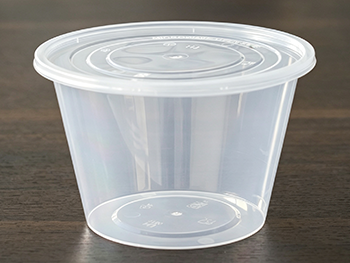
A clear thickened disposable plastic 1750 round bucket is a single-use, round-shaped plastic container with a nominal liquid capacity of 1750 milliliters (1.75 liters). The term "thickened" refers to the heavier wall thickness of the container compared to standard thin-wall disposable cups or bowls, giving it superior rigidity, stacking strength, and resistance to cracking, bending, or leaking under normal use.
The container is "clear" because it is manufactured from transparent polypropylene (PP) resin, allowing consumers and staff to see the contents at a glance without opening the lid. This transparency is a critical advantage in retail and food service settings, where visual appeal directly influences purchasing decisions.
As a "disposable" product, the bucket is designed for one-time or limited-use scenarios — typically paired with a matching lid — and is intended to be discarded or recycled after use rather than washed and reused. This makes it ideal for high-throughput environments such as takeaway restaurants, street food vendors, catering events, deli counters, and food processing facilities.
In industry terminology, this product is also referred to by several interchangeable names, all of which are useful keywords for SEO and cataloguing:
1750 ml round plastic bucket
Clear disposable plastic pail 1750 ml
Thickened PP round bucket with lid
Food-grade transparent plastic bucket 1.75 L
Disposable takeaway soup bucket 1750 ml
Round plastic food container 1750 ml
Heavy-duty clear plastic deli bucket
Transparent pail for food packaging
The "1750" Capacity Explained
The number 1750 refers to the container's volume, expressed in milliliters (ml), and equals 1.75 liters. This capacity sits in the upper-middle range of the disposable round bucket family, which commonly spans from about 500 ml up to 2,000 ml or more.
Why is 1750 ml such a popular size? Because it bridges two important packaging needs:
Portion-appropriate: It comfortably holds a full meal portion of soup, curry, stew, salad, or dessert for one or two people, reducing the need for multiple smaller containers.
Bulk-friendly: It is large enough for deli salads, pickled vegetables, sauces, marinades, and frozen desserts sold by weight or in family-sized portions, while still being manageable for one hand to carry.
For comparison, a typical household "bowl" serving is around 300–500 ml, while a family-size takeout container ranges from 1,000 to 2,000 ml. The 1750 ml round bucket sits comfortably in the family/meal-size segment, making it one of the most versatile capacities in the disposable packaging lineup.
Materials and Food-Safety Compliance
The vast majority of
Clear Thickened Disposable Plastic Round Buckets are manufactured from
polypropylene (PP), a thermoplastic polymer widely regarded as the workhorse of food packaging. PP is chosen over other plastics for several decisive reasons:
High clarity: Virgin PP can be molded into a transparent, glass-like finish, ideal for showing off the product inside.
Heat resistance: PP withstands warm and hot food better than many other clear plastics, with a typical heat deflection range that tolerates warm fillings without warping.
Chemical inertness: PP does not react with most foods, oils, acids, or common cleaning agents, preserving taste and safety.
Rigidity with toughness: PP offers good structural strength at low weight, resisting cracking and impact during transport and handling.
Recyclability: PP is a widely recyclable plastic, increasingly accepted in municipal recycling streams.
Food-Grade and BPA-Free Standards
For food-contact applications, quality manufacturers produce these buckets from food-grade virgin PP that is BPA-free (bisphenol-A free). Common compliance frameworks referenced across global markets include:
FDA (U.S. Food and Drug Administration): 21 CFR regulations for food-contact materials, confirming the resin is safe for direct food contact.
EU Regulation 10/2011: The European framework governing plastic materials and articles intended to come into contact with food.
EN 1186: European standards for testing migration of food-contact plastics.
LFGB (Germany) and other national food-contact certifications for specific regional markets.
Buyers should always verify that the specific product they source carries appropriate food-contact certification for their target market, as requirements vary by country and by the type of food being packaged.
Typical Dimensions and Specifications
While exact dimensions vary slightly by manufacturer, the clear thickened disposable plastic 1750 round bucket follows a fairly consistent set of general specifications across the industry. Understanding these numbers helps buyers plan stacking, storage, portion control, and shipping logistics.
General Specification Profile (Industry Typical)
Nominal capacity: 1750 ml (1.75 liters)
Top diameter (rim): approximately 17 cm (about 6.7 inches)
Bottom diameter (base): approximately 12 cm (about 4.7 inches)
Height: approximately 11.5 cm (about 4.5 inches)
Wall thickness: heavier than standard thin-wall containers; typically in the range of 0.3–0.5 mm or greater depending on the "thickened" grade
Primary material: food-grade virgin polypropylene (PP), BPA-free
Color: crystal clear / transparent
Lid: matching round press-on or snap-on lid (sold separately or in sets)
Stackability: tapered sidewall design for space-saving nested stacking
Application temperature range: suitable for refrigerated, frozen, and warm (not boiling) food applications
Because the bucket is round and tapered (narrower at the base than at the rim), empty containers nest inside one another for compact storage and shipping. When filled and lidded, they stack securely for display, transport, and storage in refrigerators, freezers, or delivery bags.
Key Features and Advantages
The clear thickened disposable plastic 1750 round bucket earns its popularity through a set of practical, category-defining advantages. Each of these features translates directly into value for food businesses and end consumers.
6.1 Crystal-Clear Transparency
The single most distinctive feature is the see-through clarity of the bucket. Unlike opaque or printed containers, a transparent bucket lets customers see exactly what they are buying — the color, texture, freshness, and portion size of the food inside. In retail deli and takeaway settings, this transparency drives impulse purchases and builds trust, because there is no guesswork about contents or quantity.
6.2 Thickened Walls for Durability
The "thickened" construction gives the bucket a rigid, crack-resistant body that stands up to everyday handling. It resists flexing when squeezed, resists puncturing from forks or utensils, and maintains its shape even when filled with dense or heavy foods. This durability reduces leaks, spills, and embarrassing container failures during service or delivery.
6.3 Leak-Resistant Sealing with a Secure Lid
When paired with a properly matched round snap-on lid, the thickened bucket forms a reliable seal that contains liquids, sauces, and semi-liquid foods. This leak resistance is essential for soups, curries, marinades, pickles, and dressings, protecting both the product and the delivery bag, vehicle, or countertop from mess and cross-contamination.
6.4 Food-Grade Safety
Manufactured from food-grade, BPA-free PP, the bucket is safe for direct contact with a wide range of foods, including hot dishes, oils, acidic foods, and frozen items. This compliance gives businesses and consumers confidence in everyday use.
6.5 Convenience and Disposability
As a single-use product, the bucket eliminates the cost, labor, and hygiene concerns of washing and sanitizing reusable containers. High-volume operations simply fill, lid, and serve, then discard or recycle. This speeds up service lines and reduces the risk of cross-contamination between batches.
6.6 Space-Saving Stackability
The tapered round design allows empty buckets to nest compactly, minimizing storage footprint in kitchens, storerooms, and delivery vehicles. Filled buckets stack neatly for refrigerator and freezer organization, maximizing usable space.
6.7 Lightweight and Cost-Effective
Despite their thickened walls, these buckets remain lightweight, keeping shipping and handling costs low. Their competitive unit price, combined with durability and low failure rates, makes them a cost-efficient packaging choice for high-volume food businesses.
6.8 Versatility Across Food Types
From hot soups to cold salads, frozen desserts to dry snacks, the 1750 ml round bucket handles an impressively wide range of products. This versatility means businesses can standardize on a single container for many menu items, simplifying purchasing and inventory.
Common Applications and Use Cases
The clear thickened disposable plastic 1750 round bucket is used across a broad spectrum of food service and packaging scenarios. Understanding these applications helps both buyers and content readers appreciate the product's true versatility.
7.1 Takeaway and Delivery Food Service
Restaurants, cloud kitchens, and food delivery platforms use 1750 ml buckets for soups, stews, curries, noodles, rice bowls, and family meal combos. The thickened walls keep the container rigid during transport, while the secure lid prevents leaks in delivery bags. Clear walls let customers verify their order at a glance, reducing disputes and improving satisfaction.
7.2 Retail Deli and Grocery
Supermarket deli counters, salad bars, and prepared-food sections use these buckets for deli salads, coleslaw, pasta salads, pickles, olives, and marinated items. Transparency helps customers see freshness and quality, and the portion-friendly 1750 ml size suits both self-service and counter-service formats.
7.3 Catering and Events
Caterers, event planners, and buffet services rely on durable disposable buckets for large-format side dishes, sauces, desserts, and beverages. The stackable, lidded design keeps food covered and safe during transport and service, and disposability simplifies post-event cleanup.
7.4 Frozen Food and Desserts
Ice cream shops, dessert brands, and frozen food producers use thickened clear buckets for ice cream, sorbet, frozen yogurt, puddings, and frozen fruit. The container's temperature tolerance and rigid walls handle freezer storage well, and the clear body showcases appealing frozen products.
7.5 Wholesale and Food Processing
Food manufacturers and distributors use these buckets as intermediate or retail packaging for sauces, dressings, marinades, bulk ingredients, and ready-to-eat meals. The stackability and standardized dimensions make them efficient for storage, cold-chain transport, and display in wholesale and retail outlets.
7.6 Non-Food Applications
Beyond food, the durable, clear design also suits non-food uses such as packaging craft supplies, hardware, cosmetics, cleaning products, paints, and household items. The same leak-resistant, rigid construction that protects food also protects other sensitive goods. However, buyers should confirm material suitability when using these containers for non-food chemicals, as some substances require different resin grades.
Clear Thickened vs. Alternative Packaging
To make informed choices, it helps to compare the clear thickened disposable plastic 1750 round bucket against the common alternatives in its size class.
8.1 Versus Standard Thin-Wall Disposable Cups and Bowls
Standard thin-wall cups and bowls are lighter, cheaper, and adequate for simple items like beverages or small sides. However, they lack the structural rigidity, leak resistance, and stacking strength of a thickened bucket. For soups, curries, and heavy or hot foods, the thickened bucket is far more reliable and reduces spill-related losses.
8.2 Versus Square or Rectangular Disposable Containers
Square containers maximize shelf and shipping density and are popular for bento-style meals. However, round buckets offer better uniformity of wall thickness during molding, more even heat distribution for hot foods, and a more classic, appealing presentation for liquids, salads, and desserts. Round designs also nest and stack more efficiently for many inventory layouts.
8.3 Versus Reusable Plastic or Glass Containers
Reusable containers are more sustainable over many cycles but require washing, sanitizing, storage, and deposit/return logistics. For high-volume, fast-moving operations, disposable thickened buckets deliver hygiene, speed, and cost control without the operational burden of a returnable system.
8.4 Versus Paper or Cardboard Packaging
Paper and cardboard are lightweight and renewable but typically lack the transparency, liquid resistance, and leak-proof sealing of clear plastic. For wet, oily, or hot foods, the clear PP bucket is usually the more practical and reliable choice, though eco-conscious businesses may weigh the sustainability profile of each option.
Storage, Handling, and Usage Best Practices
Proper handling extends the performance of the clear thickened disposable plastic 1750 round bucket and ensures consistent quality.
Store flat and dry: Keep buckets and lids in a clean, dry, temperature-moderate area, away from direct sunlight and extreme heat, to prevent warping or yellowing.
Nest before stacking: Nest empty buckets by inserting one into another to save space, and stack filled, lidded buckets carefully to distribute weight evenly.
Match lids correctly: Always use the lid size and type designed for the bucket rim to ensure a proper, leak-resistant seal.
Mind temperature limits: These buckets handle warm food well but are not designed for boiling liquids, open flames, ovens, or microwaves at high power for extended periods. Verify manufacturer guidelines before use with very hot contents.
Avoid sharp objects: Although thickened, the container can be punctured by sharp utensils; use gentle handling when scooping or serving.
Check for damage: Inspect buckets and lids before use and discard any that are cracked, deformed, or show signs of contamination.
Environmental and Sustainability Considerations
Sustainability is a growing priority in food packaging, and clear PP buckets are part of the conversation.
Recyclability: Polypropylene is one of the more recyclable plastics and is increasingly accepted in curbside and commercial recycling programs, depending on local infrastructure.
Reduced waste through reliability: Because thickened buckets leak less and fail less often, they reduce food waste and packaging failure — a meaningful sustainability benefit often overlooked.
Reuse potential: Many end users reuse these sturdy buckets for storage, organizing, or DIY projects before disposal, extending their useful life.
BPA-free materials: Choosing BPA-free, food-grade resin reduces exposure concerns and aligns with consumer expectations for safer food contact.
Responsible disposal: Businesses should educate staff and customers on proper sorting and recycling, and comply with local waste regulations.
While disposable plastic faces environmental scrutiny, the category continues to evolve with recycled-content options and improved recycling systems. Buyers seeking to minimize impact should explore certified recycled PP grades and recycling programs available in their region.
Buying Considerations for Businesses
When sourcing clear thickened disposable plastic 1750 round buckets for a food business, keep these general, industry-wide factors in mind. This section intentionally avoids company recommendations and focuses on neutral selection criteria.
Verify food-grade certification: Confirm the product carries appropriate food-contact compliance (e.g., FDA, EU 10/2011, LFGB) for your market and the foods you package.
Confirm dimensions and capacity: Check top diameter, height, and wall thickness against your portioning and storage needs; request a sample to verify.
Evaluate lid compatibility: Ensure the matching lid is available, seals securely, and is easy for staff to apply.
Assess stacking and nesting: Verify that buckets nest efficiently for storage and stack securely when filled, especially for cold-chain and delivery operations.
Check temperature performance: Confirm suitability for your hot-fill, refrigerated, or frozen applications.
Request samples: Always test physical samples with your actual products — including hot, oily, or acidic foods — before committing to a bulk order.
Plan volumes and packaging: Consider case counts, pallet configurations, and shipping costs, as these vary significantly by supplier and region.
Frequently Asked Questions (FAQ)
Q1: Is the 1750 ml round bucket safe for hot food? Yes. When made from food-grade polypropylene, it safely holds warm and hot foods such as soup, curry, and stew. It is not designed for boiling liquids or oven use; follow the manufacturer's temperature guidance.
Q2: Is this bucket BPA-free? Most quality food-grade PP buckets are BPA-free. Buyers should confirm BPA-free status and food-contact certification with the supplier.
Q3: Can the bucket be reused? Although designed as a disposable product, many users reuse the sturdy, washable bucket for storage before eventual disposal or recycling.
Q4: Does it come with a lid? A matching round snap-on or press-on lid is typically available, either included or sold separately. Confirm lid compatibility when ordering.
Q5: Can it be used in the freezer? Yes, food-grade PP buckets generally perform well at freezer temperatures, making them suitable for frozen desserts, frozen fruit, and cold storage.
Q6: How many milliliters is 1750? 1750 ml equals 1.75 liters, or approximately 0.46 US gallons — a versatile family/meal-sized capacity.
Q7: Is the bucket microwave-safe? PP is generally microwave-safe, but check the manufacturer's label, as prolonged high-power heating or very hot contents may cause warping. Always follow the product's instructions.
Q8: Can I recycle this bucket? Polypropylene is widely recyclable, though availability depends on local recycling programs. Check your area's guidelines and clean the container before recycling.
Conclusion
The clear thickened disposable plastic 1750 round bucket is a versatile, reliable, and visually appealing packaging solution that has earned a permanent place in food service, retail, catering, and wholesale industries. Its combination of crystal-clear transparency, thickened crack-resistant walls, secure leak-proof lidding, and food-grade safety makes it ideal for soups, curries, salads, desserts, frozen foods, and countless other products.
For businesses, the 1750 ml capacity hits a sweet spot between portion control and family-sized value, while its stackable, lightweight, and cost-effective design streamlines operations from kitchen to customer. For consumers, the transparent, sturdy bucket builds trust, protects freshness, and simplifies everyday food storage.
Whether you are a restaurateur choosing takeout packaging, a distributor building a product catalog, a deli manager improving retail presentation, or a content writer creating industry pages, understanding the specifications, advantages, applications, and best practices of this product category is essential. This guide provides the complete, industry-wide reference you need — definitions, materials, dimensions, safety compliance, use cases, comparisons, and FAQ — all in one SEO-friendly, easy-to-read resource.
Choose food-grade, BPA-free materials, verify certification for your market, test samples with your products, and apply proper storage and handling practices. With the right approach, the clear thickened disposable plastic 1750 round bucket will serve your business reliably for years to come.


 Español
 Pусский
 العربية
 Tiếng Việt

 WhatsApp
 Phone
 E-mail
 Message